
The 2026 – 2027 FELLOWSHIP call for applications is closed. look out for the next call for applications in early 2027!
The Digital Thriving Fellows Program exists to amplify bold ideas that help young people thrive in a tech-filled world. Each year, we support a small group of innovative researchers, educators, practitioners, and creatives who are shaping new possibilities for digital life — always with young people at the center.
Fellows join a growing community of leaders exploring fresh ways to spark conversation, shift perspectives, and build resources that help both young people (and the adults who care for them) thrive.
HOW IT WORKS
- Applications: Typically open each spring for 3–4 Fellows.
- Selection: Fellows are chosen following a multi-step application process in late spring/early summer.
- Fellowship year: Runs from fall through the end of the academic year (September – May). Fellows meet monthly as a cohort, join an in-person gathering in Cambridge, and share their work publicly.
- Status for 2026: Applications for the 2026–2027 are now closed. Look out for the next call for applications in early 2027!
MeeT oUR 2026 FeLLOWS
This year’s Fellowship theme is educating for digital agency to support professionals whose work with young people explores agency-centered approaches to digital literacy and well-being. Here’s a look at their projects:
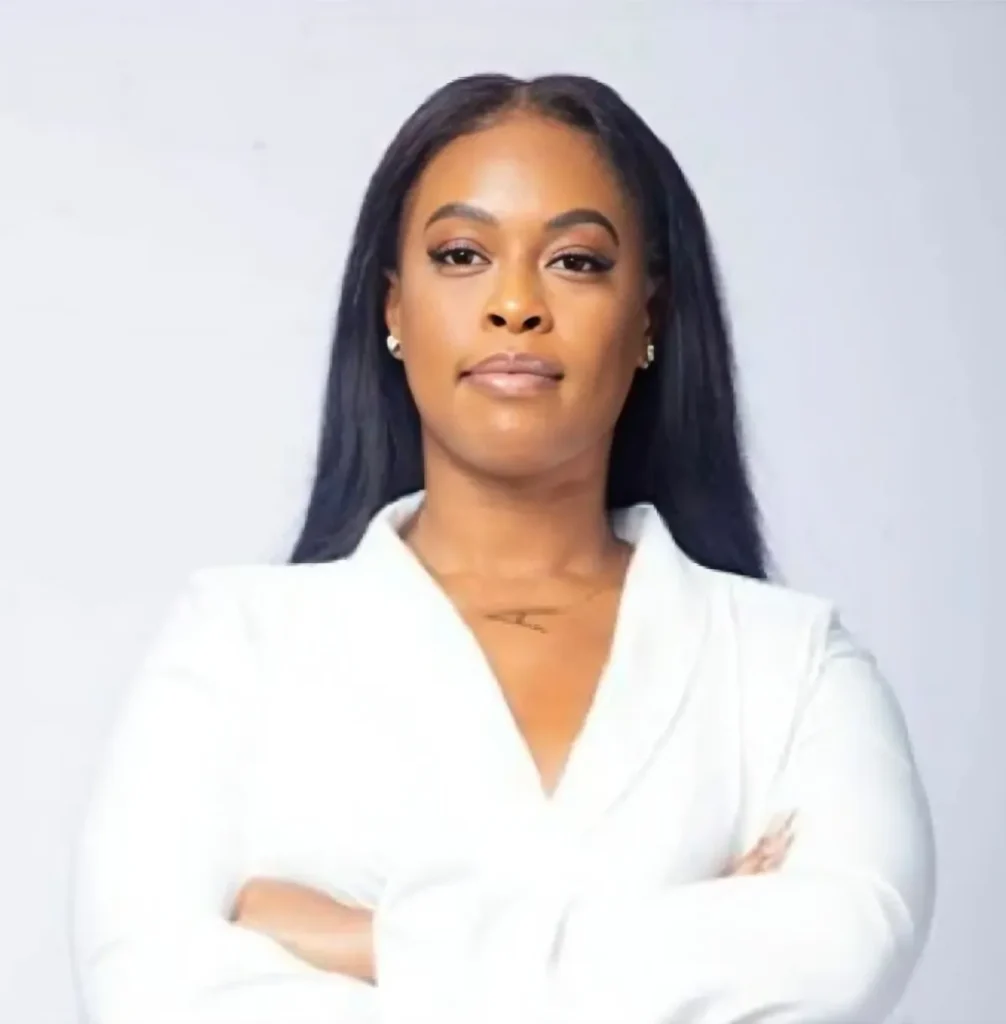
Ashley M. Stewart
Exploring online safety policy with black youth as co-researchers
Ashley’s project will engage 10–12 Black youth as co-researchers to examine and respond to nearly 20 proposed federal and state policies shaping youth online safety, from social media restriction bills to algorithmic design regulations. She is a developmental scientist working across research, community engagement, and policy translation.
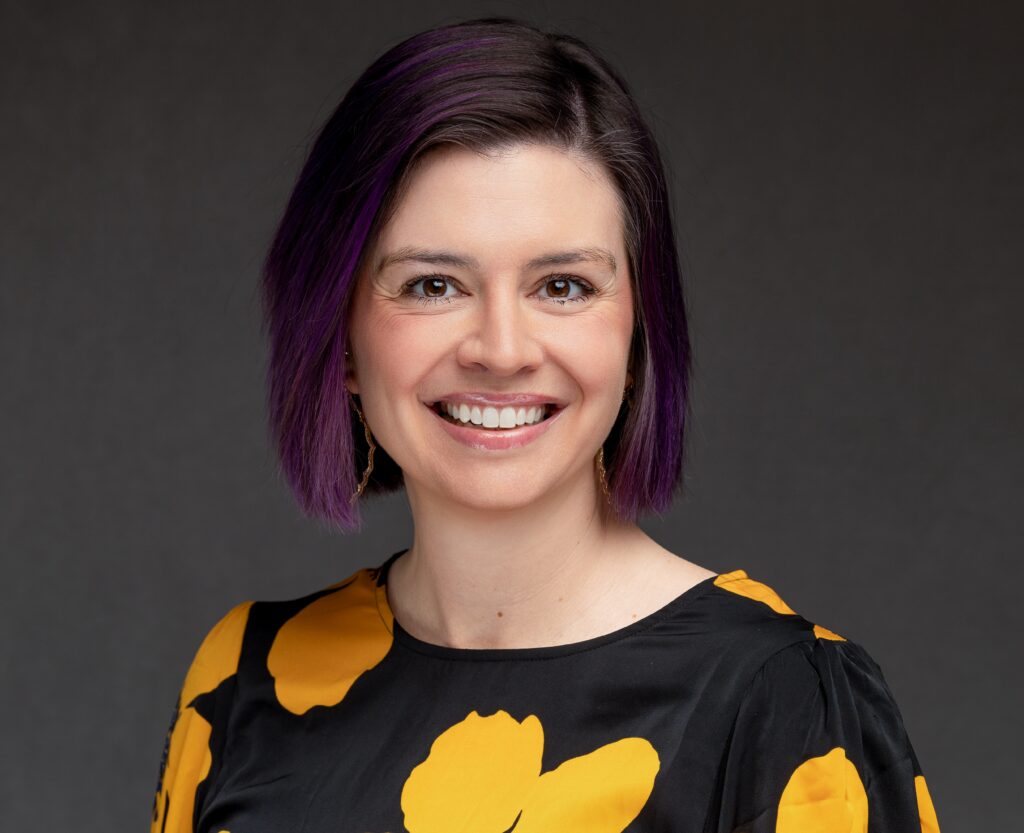
Jacqueline Vickery
Digital agency toolkit for youth aging out of foster care
The Digital Life Skills Toolkit puts digital agency at the center of what young people aging out of the foster care system need in order to thrive. Jacqueline founded Mindful Media to bring research into the organizations working most closely with youth in her community.
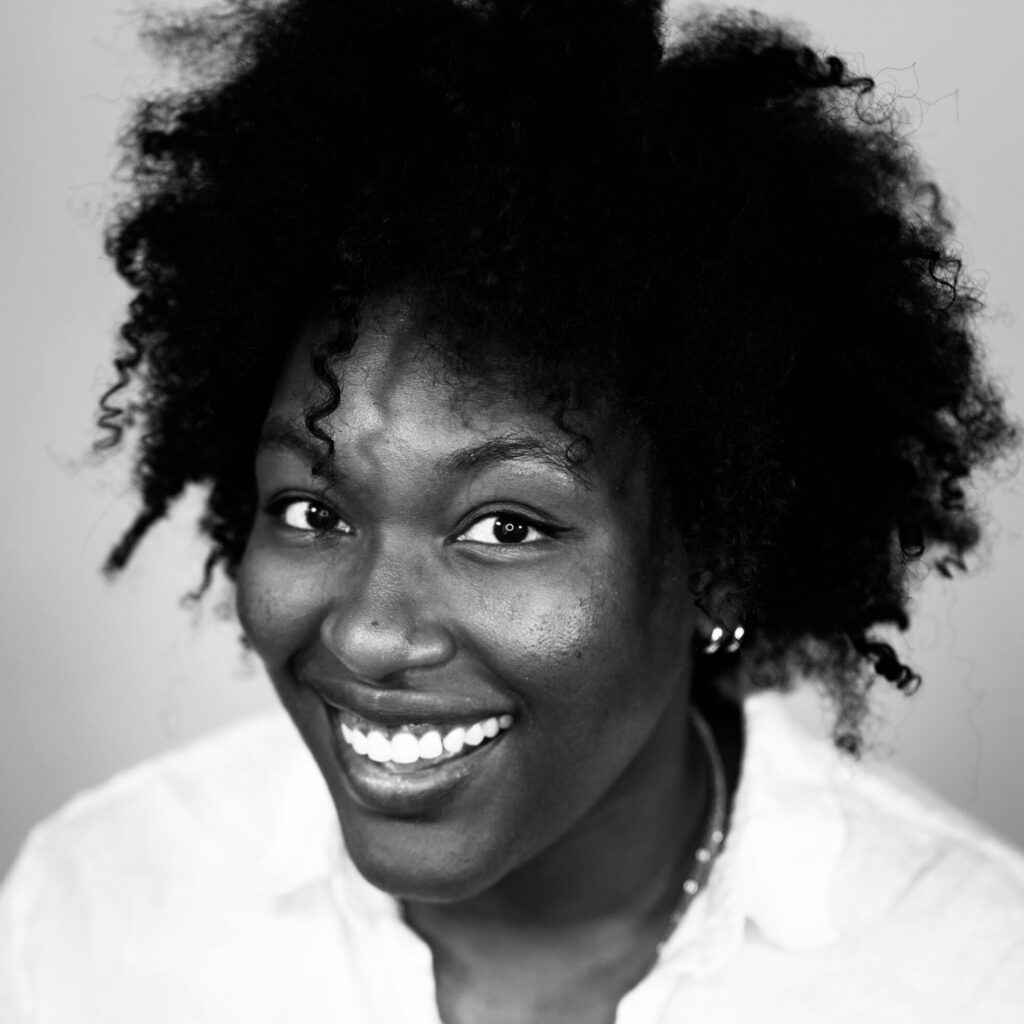
The Lit Society is an offline gathering space for teens to explore and construct their digital agency through close reading, discussion, and debate of literature, history, and art in the library. Keshia is a middle and high school librarian in Boston and holds an MFA in Writing for Young People.
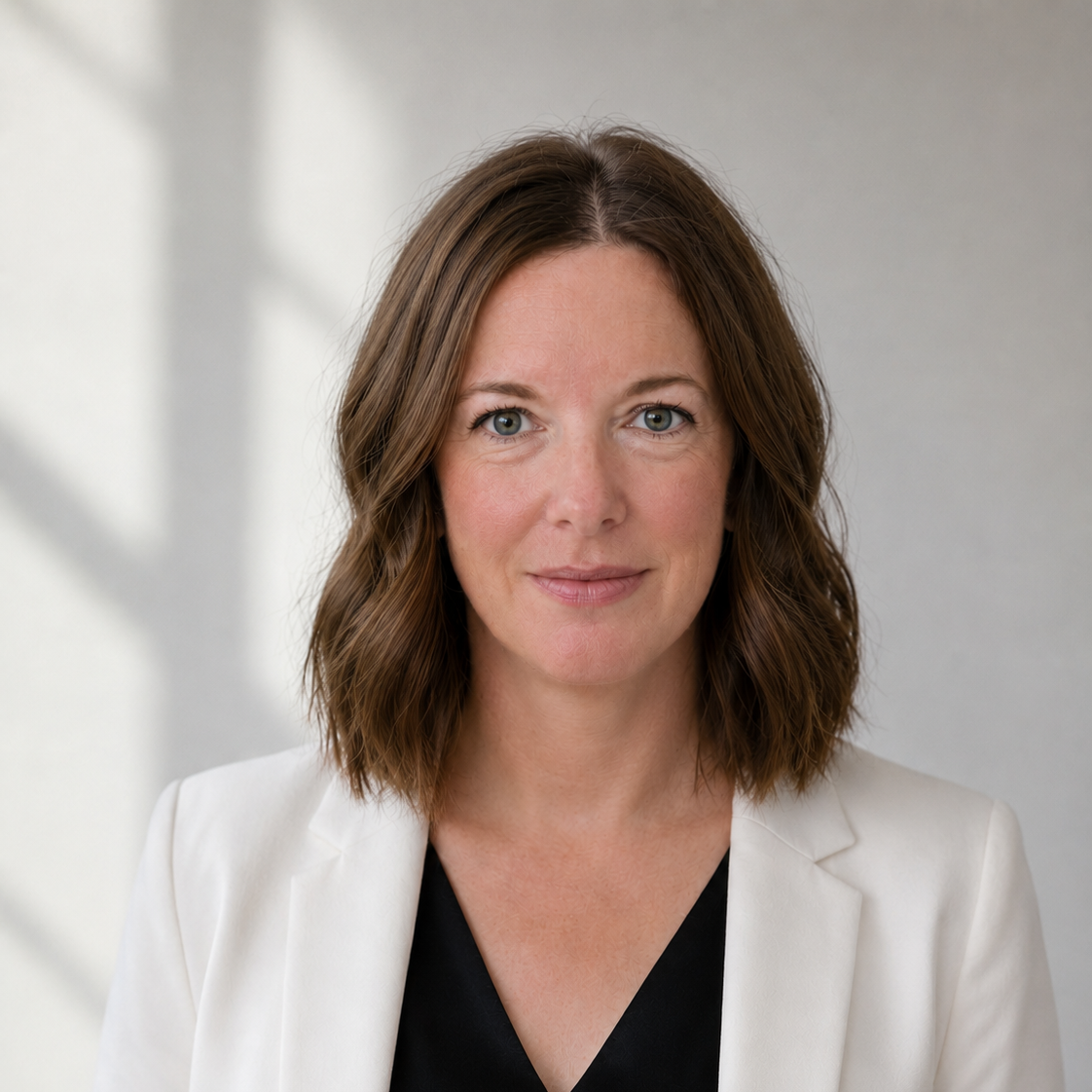
KATE MEYER
New resources on critical AI literacy for classrooms, with Nicole Davis
With Nicole Davis, Kate will build on their existing work on AI literacy to develop new resources on Critical AI Literacy. The goal is to help educators and students go beyond seeing AI only as a shortcut, a productivity tool, or a cheating problem. Kate is an English teacher and Instructional Innovation Coach at Mount Desert High School in Maine.
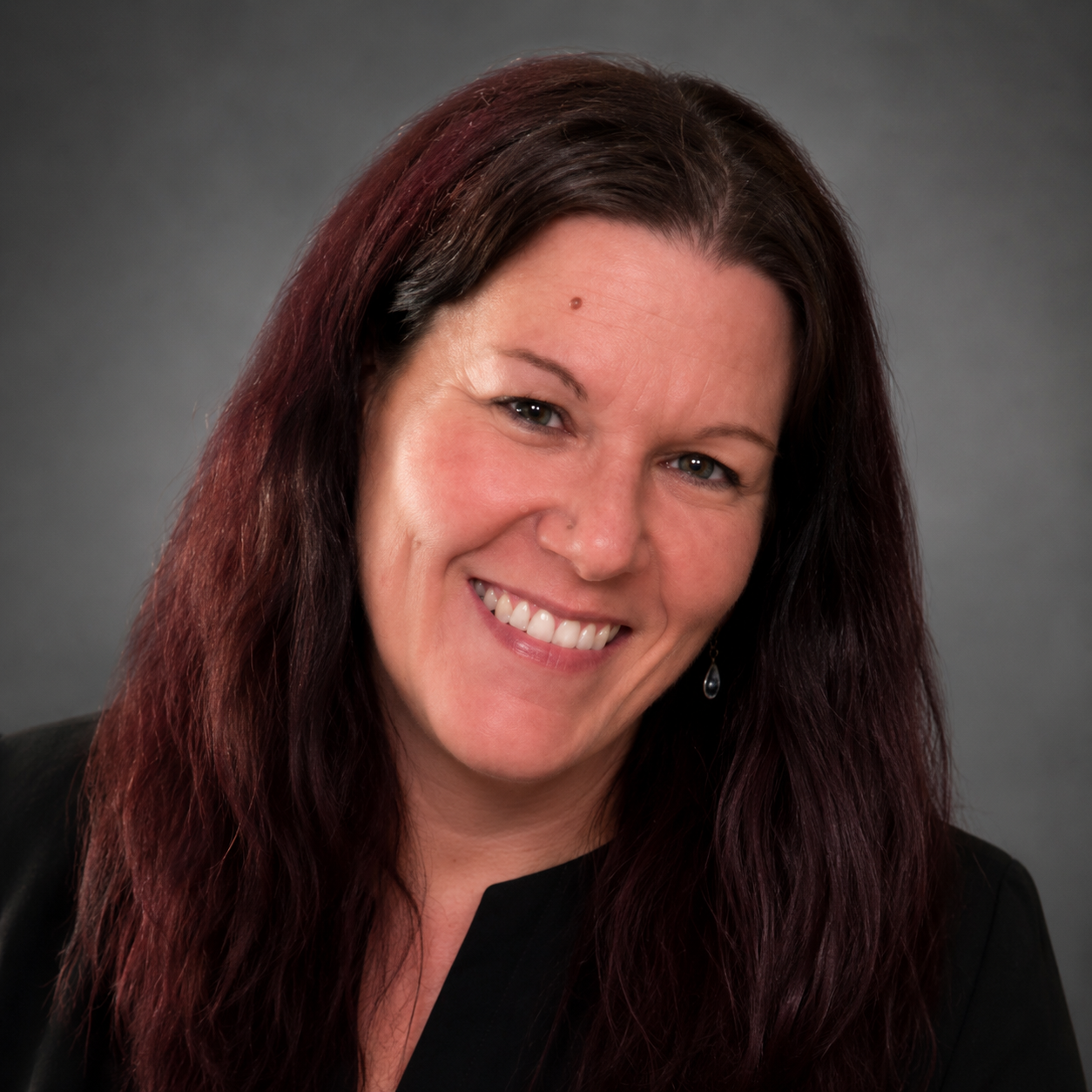
Nicole DAvis
New resources on critical AI literacy for classrooms, with Kate Meyer
With Kate Meyer, Nicole will build on their existing work on AI literacy to develop new resources on Critical AI Literacy. The goal is to help educators and students go beyond seeing AI only as a shortcut, a productivity tool, or a cheating problem. Nicole is Emerging Technology Specialist for the Maine Department of Education and the architect of Maine’s AI Guidance Toolkit.
“FORevER FeLLOWS”alUMni
Our fellows alumni are interdisciplinary practitioners, researchers, and technologists who share our passion for participatory design and youth-centered approaches to digital well-being. Meet our former fellows below and read more about their fellowship projects.
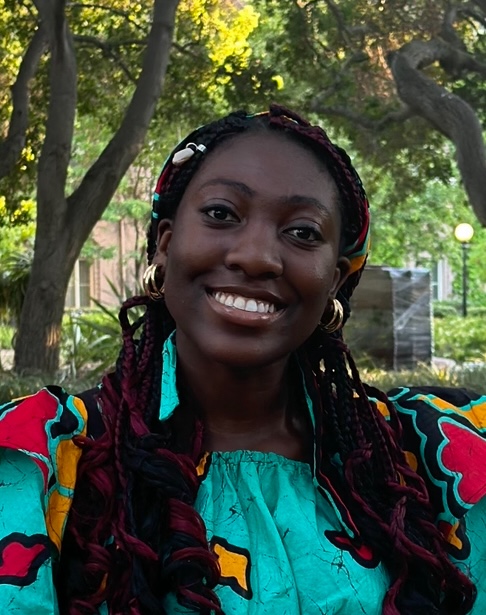
Ecy Femi King
An interactive comic guide to digital thriving
Ecy built Tech for Togetherness, an interactive comic guide that blends Pan-African concepts with technology to offer youth new frameworks for community-centered digital thriving. A data scientist, author, and comic artist, Ecy is a pioneer of the Fractal Gridding style of storytelling.
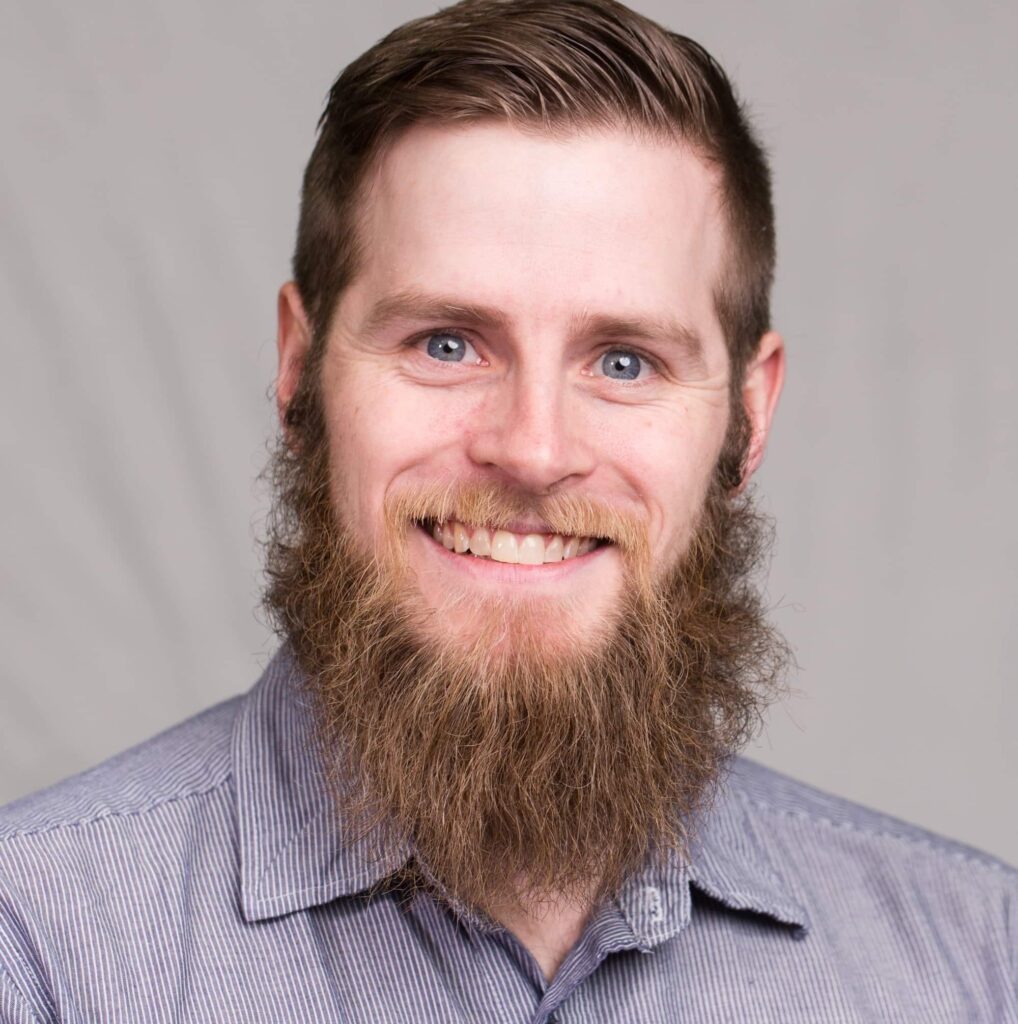
Greg Depow
Wise empathy as a way to reshape online life
Greg explored how young people can practice wise empathy to reshape their online experiences, engaging with others’ emotions in ways that foster joy, compassion, and authentic sharing. He is a postdoctoral fellow at UC San Diego studying empathy and well-being.
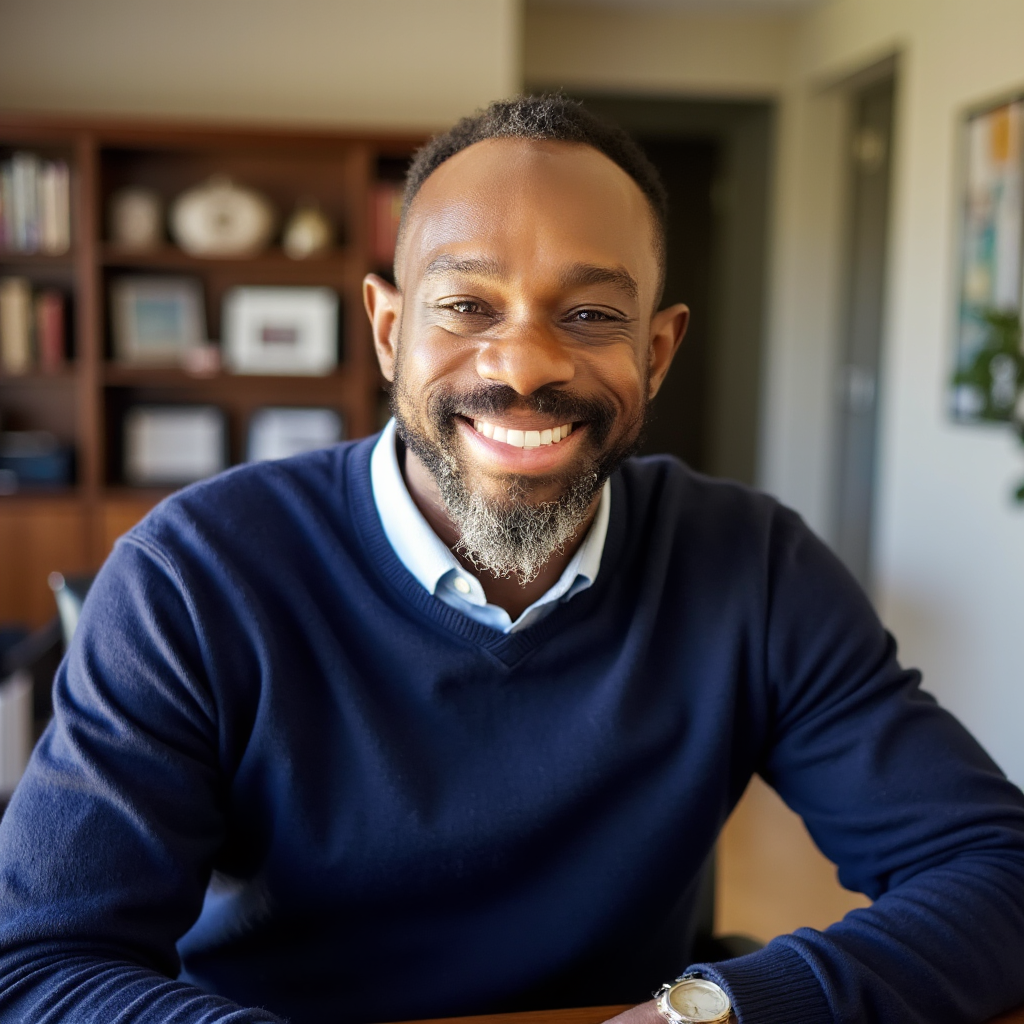
MICHAEL DAVIS
Mindfulness and cyberpsychology for K–5
Michael brought mindfulness and cyberpsychology into K–5 classrooms, developing tools to help kids build resilience, regulate emotions, and grow into mindful digital citizens. He drew on two decades in cybersecurity and doctoral work in cyberpsychology.
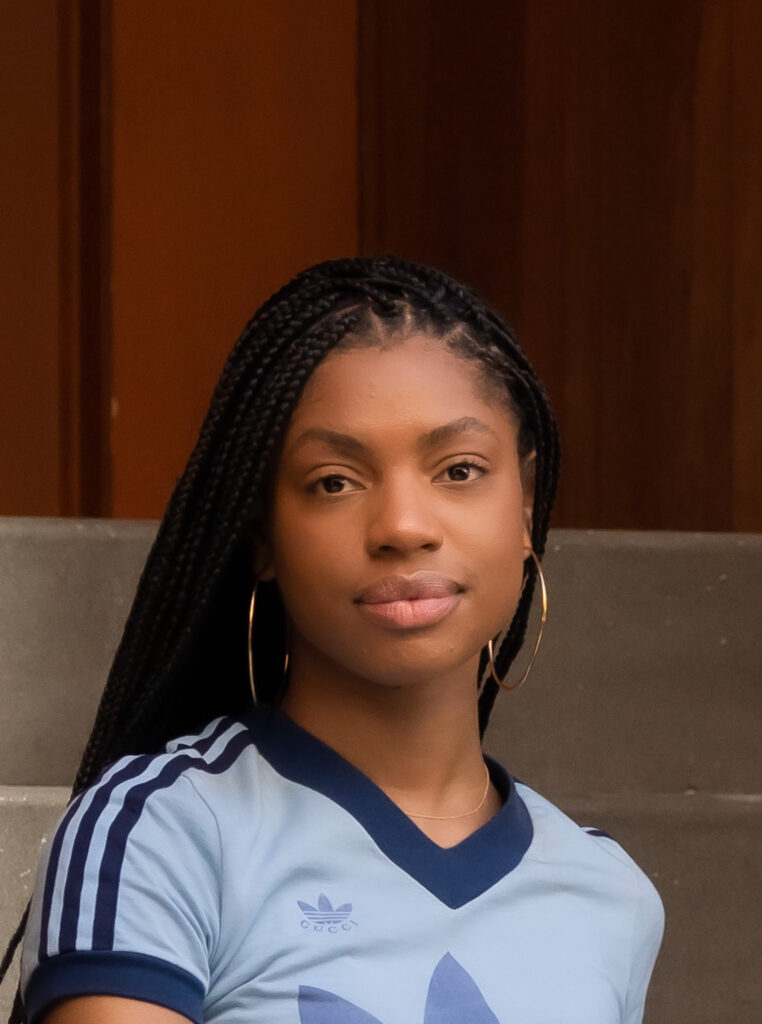
Teyra Anderson
A youth-guided mini-series about growing up online
Teyra co-created MYA: IRL with teens, a youth-guided mini-series that captured the real complexities of growing up in a hyperconnected world. The series explores how digital life intersects with friendship, family, identity, and selfhood.

Adrienne Joe
A Gen AI tool for values and positive habits online
Adrienne developed a generative AI tool that helps young people identify their core values and offers real-time guidance for restructuring negative thoughts into positive actions online. Drawing on her background as a user experience strategist, she conducted UX research to inform the tool’s development and establish its effectiveness.

ALIJA BLACKWELL
Youth-affirming alternatives to school surveillance tech
Youth Affirming Systems (YAS!) is a speculative platform powered by the imaginations of systems-impacted youth. Alija built it as a repository of tools, policies, and practices that school officials, youth-serving organizations, policymakers, and technologists can draw on to co-create healthy, youth-centered digital ecosystems.
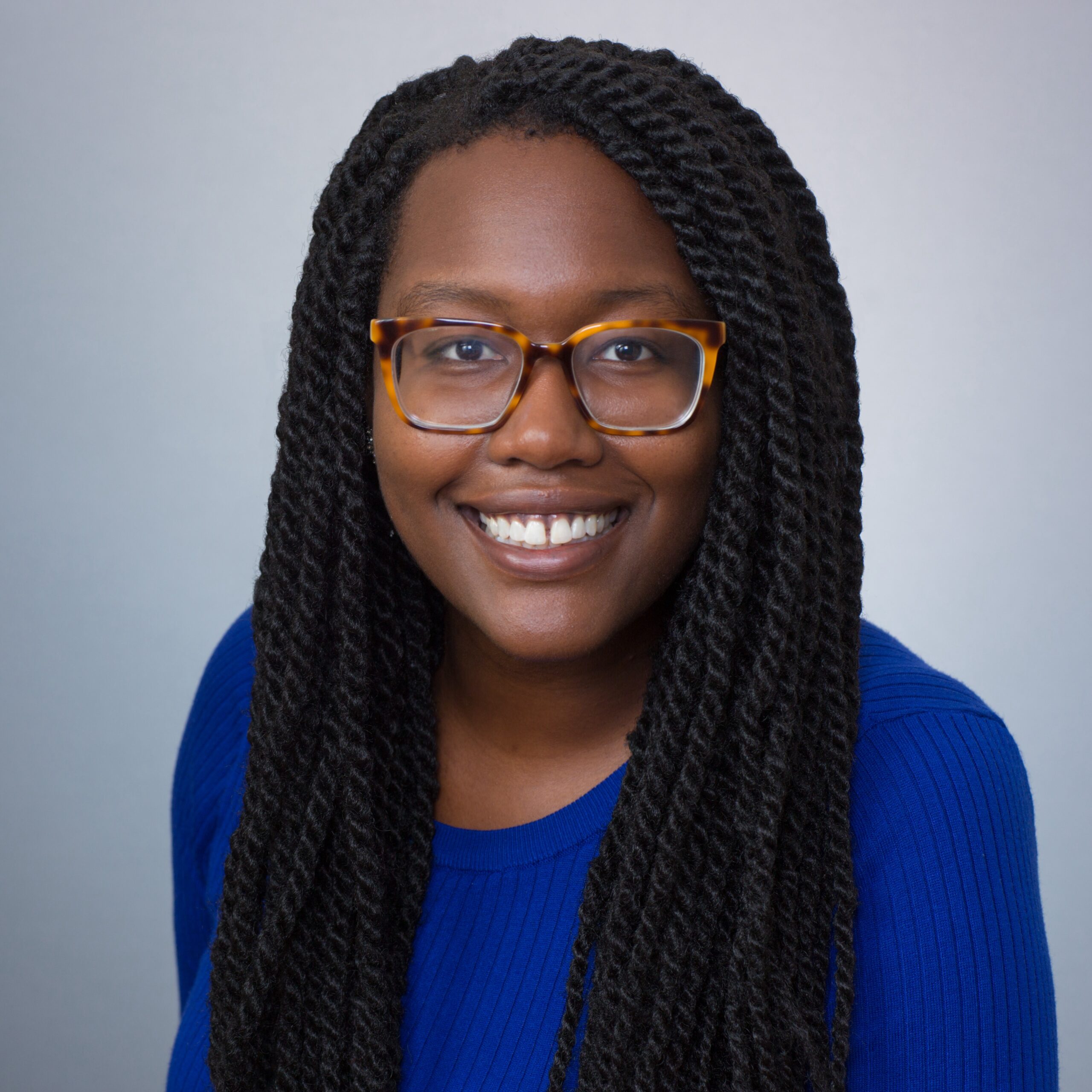
CHRYSTAL KOECH
A design framework for youth digital well-being
Chrystal developed a comprehensive framework to help make sure digital products and platforms are designed to support the digital well-being of young people. The work drew on nearly a decade of building digital products and learning experiences for a nonprofit audience.

MOLLY JOSEPHS
A creative community platform for youth, by youth
Molly co-created Haven with teenagers: a creative community platform limited to 100 members at any time, where teens gather in clubs to make things together. A teen coded the platform and a young artist hand-drew the interface, so the values it holds are built into the way it was made.
FEllowship FaQ
Here are some of the questions we get most often about the Fellowship:
Who is eligible to apply?
U.S.-based individuals with youth-centered, equity-focused projects. (Not open to current full-time students or teams.)
What kinds of projects are a good fit?
Anything that puts youth at the center and approaches tech with critical optimism — from podcasts and curricula to apps, research, or creative media.
What’s the time commitment?
Think of it as part-time work. Fellows continue their other roles while dedicating meaningful energy to their project, joining monthly calls, and traveling 1–2 times to Cambridge for short convenings.
What are Fellows expected to create?
At least one public-facing resource (e.g., podcast, article, app, framework, curriculum) and at least one presentation that shares their work with others.
Do you have a preference on the stage of the project or product?
We don’t have a preference at this point! We’re open to supporting ideas at a variety of stages (e.g., early/idea stage vs. building on an existing project/product).
If I’m not currently eligible, how can I connect with the Center for Digital Thriving team?
Sign-up for our newsletter for regular updates from the Center! We occasionally post opportunities for regular staff positions via Harvard and LinkedIn.